
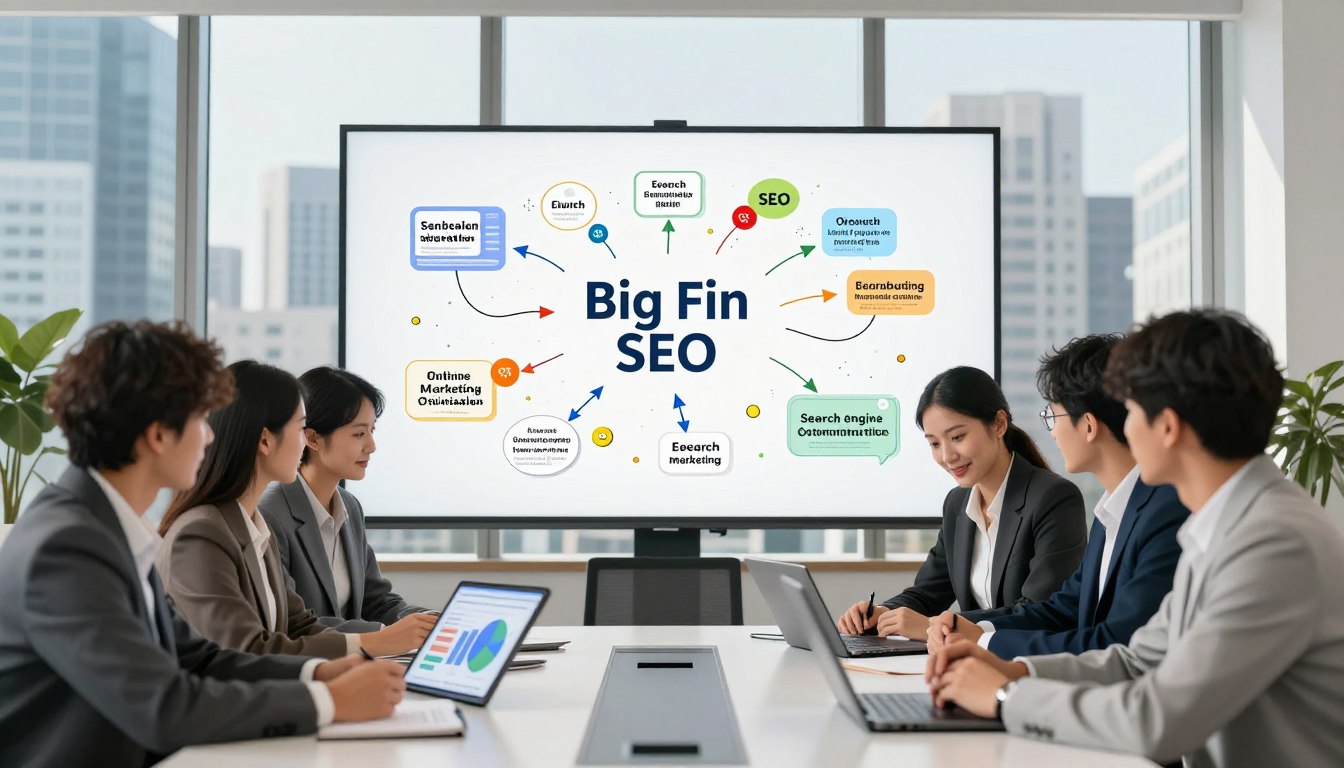
We help businesses shine online by mastering digital marketing. A solid online marketing strategy boosts visibility, attracts better traffic, and boosts sales.
SEO makes a website rank high in search results. Knowing SEO helps businesses stand out and beat rivals.
Let’s dive into what SEO is and how it shapes online marketing plans. We’ll find out how to lead in digital marketing, a key goal for businesses aiming for the top.
Defining Search Engine Optimization in the Context of Digital Marketing
In the fast-changing world of digital marketing, knowing SEO is key for businesses to shine online. SEO is more than just getting to the top of search results. It’s what keeps your digital world connected.
At its heart, SEO is about figuring out how search engines work and making your content fit their needs. It involves several important principles.
The Core Principles of SEO
The main principles of SEO include:
- Knowing and using the right keywords your audience looks for.
- Creating valuable, relevant content that answers what users want.
- Improving your website’s parts like titles, descriptions, and headings.
- Getting strong backlinks from trusted sites.
How Search Engines Evaluate and Rank Content
Search engines check content for relevance, quality, and how easy it is to use. They use complex algorithms that look at many things, like keywords and how fast your site loads.
The Difference Between Organic and Paid Search Results
It’s important to know the difference between organic and paid search results. Organic results come from SEO work, while paid results are ads that show up on search pages.
- Organic search results are:
- Free (but take effort to get).
- Seen as trustworthy by users.
- Beneficial for a long time.
By understanding these points, businesses can make a solid SEO plan. This plan will help them achieve lasting success and boost their digital marketing.
Why SEO Is Critical for Your Online Marketing Success
In today’s digital world, SEO is key to a successful online marketing plan. It’s clear that SEO is crucial for growing your business online.
Companies that focus on SEO see more visibility, better user experiences, and higher ROI. They get great results from using SEO well.
The ROI Potential of Organic Search Traffic
Organic search traffic has a big ROI potential. It targets people who are looking for what you offer. This leads to more conversions and higher sales.
Building Brand Credibility Through Search Visibility
High search engine rankings help build trust in your brand. When people see your brand as authoritative, they’re more likely to engage and buy from you.
Long-Term Benefits Versus Short-Term Marketing Tactics
SEO gives long-term benefits, unlike short-term marketing. It keeps driving traffic and sales over time. Investing in SEO means a lasting online presence.
As we move forward in the digital world, SEO is vital for our online marketing. It helps grow our business, builds trust, and ensures long-term success.
The Three Pillars of Search Engine Optimization Strategy
A strong SEO strategy has three key parts: on-page SEO, off-page SEO, and technical SEO. These work together to boost search rankings, increase organic traffic, and enhance online presence.
Understanding these pillars is crucial for a successful SEO strategy. A study shows that companies focusing on SEO are more likely to meet their online goals. “SEO is vital for any digital marketing plan,” says a top expert. “By focusing on these three pillars, businesses can build a strong online presence and achieve long-term success.”
On-Page SEO: Content and HTML Elements
On-page SEO aims to make web pages rank higher in search engines. It involves creating high-quality content and optimizing HTML elements like title tags and meta descriptions. By doing this, businesses can attract more relevant traffic to their site.
Off-Page SEO: Building Authority and Trust
Off-page SEO focuses on actions outside a website to improve rankings. This includes getting quality backlinks, using social media, and encouraging online reviews. Building a strong online reputation helps businesses gain trust and authority with search engines.
Technical SEO: Site Architecture and Performance
Technical SEO deals with a website’s structure and performance. It ensures the site is fast, mobile-friendly, and secure (HTTPS). By optimizing these technical aspects, businesses can improve rankings and user experience.
By understanding and applying these three SEO pillars, businesses can create a solid strategy. Whether it’s enhancing content, building authority, or improving site performance, a well-rounded SEO approach is key to online success.
Keyword Research: Identifying Opportunities for Visibility
Keyword research is key to a good online marketing plan. It helps you see what people search for and make content they want. This way, you can get better rankings on search engines.
Understanding Search Intent Categories
Search intent is why people search for things online. It falls into four main types: informational, navigational, transactional, and commercial investigation. Knowing these helps you make content that meets users’ needs.
- Informational intent: Users seeking information or answers.
- Navigational intent: Users looking for a specific website or page.
- Transactional intent: Users ready to make a purchase.
- Commercial investigation intent: Users comparing products or services.
Competitive Analysis for Keyword Selection
Looking at what your competitors do is important. It shows you what’s working and what’s not. This helps you make better choices for your SEO.
Tools like Ahrefs and SEMrush can show you what keywords your competitors use well.
Balancing Search Volume, Competition, and Conversion Potential
Good keyword research balances three things: how often people search, how competitive it is, and how likely it is to lead to sales. The best keywords have high search volume, low competition, and high conversion potential.
Tools for Effective Keyword Discovery
There are many tools to help find keywords, including:
- Google Keyword Planner
- Ahrefs Keyword Explorer
- SEMrush Keyword Magic Tool
These tools help find the right keywords, see how competitive they are, and estimate how often people search for them.
Using these tools and strategies can help businesses make their content more visible and profitable.
Content Strategy: Creating Value for Users and Search Engines
In today’s digital world, a solid content strategy is key. It helps businesses reach users and search engines alike. A good strategy builds a strong online presence, boosts engagement, and increases conversions.
Developing Topic Clusters and Content Hierarchies
Organizing content into topic clusters and hierarchies is essential. It makes content easy for users and search engines to find. By grouping related content, businesses show they’re experts in their field. This also helps search engines see the content’s value and scope.
- Identify core topics relevant to your business and audience.
- Develop a cluster of content around each core topic.
- Establish a content hierarchy to guide users through the topic cluster.
Optimizing Content Structure for Readability and Rankings
Improving content structure is crucial for both user experience and search rankings. Use clear headings, short paragraphs, and relevant links. This makes content easier to read and more likely to rank higher.
Content optimization focuses on several key areas. These include accessibility, reliability, readability, currency, and credibility. By improving these areas, content performance can greatly increase.

Content Formats That Drive Engagement and Shares
Using different content formats can boost engagement and shares. Formats like videos, infographics, podcasts, and blog posts appeal to various preferences. This broadens content’s reach and impact.
- Videos for explaining complex concepts or showcasing products.
- Infographics for presenting data in an engaging and easily digestible format.
- Podcasts for sharing insights and interviewing industry experts.
Content Calendars and Publishing Schedules
Having a content calendar and publishing schedule is crucial. It keeps content consistent and maximizes its impact. Planning ahead ensures a steady flow of content that keeps audiences engaged.
Creating a content calendar is a good idea. It outlines content types, publication frequency, and channels. This helps align content with marketing goals and seasonal trends.
Technical Optimization: Building a Foundation for SEO Success
Technical optimization is key to a good SEO strategy. It helps search engines find and show your website’s content. This makes your site more visible, brings in better leads, and boosts your search rankings.
Site Speed and Core Web Vitals
Site speed is very important. It affects how users feel about your site and your search rankings. Google looks at three main areas: Largest Contentful Paint (LCP), First Input Delay (FID), and Cumulative Layout Shift (CLS). Meeting these standards is crucial for a smooth user experience.
Mobile-First Indexing Considerations
Most searches happen on mobile devices now. So, making your site mobile-friendly is essential. It needs a responsive design, fast loading, and easy navigation. This helps your site rank better on search engines.
Structured Data Implementation
Adding schema markup to your site’s HTML is important. It gives search engines more info about your content. This can make your search results look better and attract more relevant visitors.
Crawlability and Indexation Management
Good crawlability and indexation help search engines find and show your content. This means optimizing your site’s structure, using robots.txt and meta tags, and submitting sitemaps. It makes your site more visible and avoids problems with duplicate or thin content.
Link Building: Developing Authority in Your Industry
In today’s digital world, link building is key for businesses wanting to lead in their field. It’s a vital part of off-page SEO that boosts authority and trust.
Creating Linkable Assets and Resources
To get high-quality backlinks, businesses need to make valuable content or resources. This could be detailed guides, original research, or tools that offer new insights or solutions.
For example, a detailed whitepaper on industry trends can draw links from respected sites. Interactive tools or calculators that are useful can also get people to link to you.
Outreach Strategies for Quality Backlinks
Getting quality backlinks requires good outreach. This means finding the right sites, writing personalized messages, and building relationships with influencers or content creators.
Personalized emails that show the worth of your content are more likely to get a yes. Using social media to connect with potential link partners can also boost your outreach.
Internal Linking Best Practices
Internal linking is as important as external backlinks for SEO. It helps search engines understand your site’s structure and content order. This improves user experience and helps search engines crawl your site better.
Use descriptive anchor text, link to relevant content, and make sure your site is easy to navigate. This follows best practices for internal linking.
Monitoring Backlink Health and Toxic Link Removal
Not all backlinks are good; some can hurt your site. It’s important to regularly check for toxic links that could harm your ranking.
Google Search Console can help spot suspicious links. If you find toxic links, use Google’s Disavow Tool to remove them and avoid penalties.
Local SEO: Dominating Regional Search Results
Businesses can dominate regional search results with the right local SEO. We help them shine in their local markets by optimizing their online presence.
Google Business Profile Optimization
Optimizing your Google Business Profile is key in local SEO. We make sure your NAP (name, address, phone number) is the same everywhere. Your profile will also have the right categories and great images.
Local Content Development Strategies
Creating content for local audiences is crucial. We make content that meets local needs and news. This makes your business a go-to in the community.
Review Management and Local Citations
Managing online reviews and local citations boosts credibility. We help you keep an eye on reviews and get your business listed in local directories.
By using these local SEO strategies, businesses can get more visibility in regional searches. This brings in more targeted traffic and grows their customer base.
Measuring and Analyzing SEO Performance
To see how well your SEO strategy is working, it’s key to measure and analyze its performance. In the world of digital marketing, knowing how your SEO efforts are doing is vital. It helps you make smart choices.
Setting Meaningful KPIs for SEO Campaigns
Choosing the right KPIs is the first step to check if your SEO campaigns are successful. We look at things like how much organic traffic we get, our keyword rankings, and how many conversions we have. SEO expert Rand Fishkin says, “You can’t manage what you don’t measure.” So, picking the right KPIs is a big deal.
Attribution Modeling for Organic Traffic
Attribution modeling shows us how different marketing channels, like SEO, help reach our goals. By using attribution models, we can see how organic search helps our marketing efforts. We look at the customer’s journey and see the value of each touchpoint.
Tools for Tracking Rankings and Visibility
Using the right tools is crucial for keeping an eye on your SEO performance. Tools like Ahrefs, SEMrush, and Moz give us insights into keyword rankings, backlinks, and how well our content is doing. These tools help us track our SEO efforts and make informed decisions.
Competitive Benchmarking and Performance Analysis
Competitive benchmarking means comparing your SEO performance to your competitors. This helps you see what you’re doing well and what you need to work on. By knowing where you stand, you can set achievable goals and improve your SEO.
As we keep improving our SEO strategies, measuring and analyzing performance is always a priority. By focusing on important KPIs, attribution modeling, and using the right tools, we can get better SEO results. This helps us reach our digital marketing goals.
Conclusion: Integrating SEO Into Your Comprehensive Marketing Strategy
SEO is key to your digital success. It helps your marketing strategy grow and improve online. This way, businesses can lead their industry with digital marketing.
We’ve looked at SEO’s basics, like keywords and content. Also, technical tweaks and link building. These steps boost your online image and attract quality visitors. A good SEO plan is vital for lasting growth and leadership.
To be a digital marketing leader, focus on SEO. It changes how you’re seen online and beats competitors. We help businesses use SEO to succeed in the digital world.
FAQ
What is Search Engine Optimization (SEO) and how does it impact my online marketing strategy?
SEO makes your website more visible in search engine results. It helps more people find your site. A good SEO plan is key for businesses to lead in their field.
How do search engines evaluate and rank content?
Search engines look at how well your content matches what people are searching for. They check things like keywords, structure, and links to see if your site is trustworthy.
What is the difference between organic and paid search results?
Organic results are free and based on how well your site matches search queries. Paid results are ads that cost money to show up. Organic results are better for your site’s reputation.
What are the three pillars of SEO strategy?
SEO has three main parts: on-page, off-page, and technical SEO. On-page is about your content and site elements. Off-page is about building trust through links. Technical SEO makes sure your site works well.
How do I conduct keyword research to identify opportunities for visibility?
Start by understanding what people are searching for. Look at what your competitors are doing. Use tools like Google Keyword Planner and Ahrefs to find good keywords.
What is the importance of content strategy in SEO?
A good content strategy creates value for both users and search engines. It helps your site rank higher by focusing on topics, structure, and engaging content.
How can I optimize my website’s technical performance for SEO?
Improve your site’s speed and mobile performance. Make sure your site is easy for search engines to crawl. Use structured data to help search engines understand your content.
What is the role of link building in SEO?
Link building helps establish your site as an authority. Create content that others want to link to. Use outreach and internal links to boost your site’s credibility.
How can I measure and analyze SEO performance?
Set clear goals for your SEO efforts. Use tools like Google Analytics to track your progress. Analyze your performance to make your strategies better.
What is local SEO and how can I dominate regional search results?
Local SEO helps attract local customers. Optimize your Google Business Profile and create local content. Manage reviews and citations to improve your local search visibility.

Michael Fleischner is the founder of Big Fin SEO, a New Jersey-based local SEO agency helping service-area and multi-location businesses increase visibility, generate qualified leads, and drive measurable revenue from search.
He is a TEDx speaker, Amazon-published author of The 7 Figure Freelancer, and a frequent speaker on SEO, AI-driven marketing, and personal branding.



 Corine R.
 Laura A.
 Michael F.